Weekly reports, local knowledge and guides for Bantham, Bigbury & Salcombe β straight from the water.
Tuesday marked a date every South Devon shore angler circles on the calendar. From April 1st, bass retention is back β you can finally take one home for the pan, as long as it's 42cm or over. After two months of catch-and-release only, it feels like the proper start of the fishing year down here.
Quick refresher if you've been away: the annual bass closure ran from February 1st through March 31st, during which all bass had to go back. From April 1st to December 31st, you're allowed to retain bass β but only if they measure at least 42cm, which is the Minimum Conservation Reference Size. One fish per day for recreational anglers. It's worth knowing this because enforcement has been stepped up along the Devon coast in recent seasons, and rightly so. These fish are too important to mess about with.
The good news is that the bass have started showing up inshore. Water temperatures are sitting around 10.5Β°C and climbing slowly β still cold enough that the fish are sluggish in the early mornings, but by mid-afternoon when the rocks have soaked up some sun and the water in the shallows has warmed a degree or two, they're definitely feeding. Reports from mates fishing the South Hams coastline over the last week of March were encouraging, with several decent fish taken on lures and released.
Start Point is always one of the first places to produce bass in spring, and this year is no different. The rocky ledges on the east side fish brilliantly on a flooding tide, especially if you can get there for the last two hours of the push. Soft plastics on a lightweight jighead β something in the 10β15g range β worked slowly along the kelp edges have been the go-to. The current rips through here, so you need enough weight to stay in touch with the bottom without getting snagged every cast.
Closer to home, the rocks at the Thurlestone end of South Milton Sands are worth a look on a rising tide, particularly around the natural arch. Pollock are reliable here through spring, and the odd bass turns up too. It's a nice easy session β park up, walk five minutes, and you're fishing. Hope Cove is another classic early-season mark. The rocky outcrops on either side of the inner cove hold wrasse through the warmer months, and they're just starting to show now. Float-fished ragworm tight to the rocks is deadly for wrasse, and it's a relaxing way to spend an afternoon if the surf is flat.
Pollock are the bread and butter of South Hams shore fishing in April and they're in good form right now. Any rocky mark with decent depth β Bolt Tail, Prawle Point, the ledges below Bolt Head β will produce pollock on lures or feathers. They're not huge yet, mostly schoolies in the 1β2lb range, but they scrap hard on light tackle and they're great eating if you want to take one for supper.
Wrasse are waking up as the water warms. Give it another couple of weeks and the ballan wrasse around the Salcombe harbour rocks will be properly feeding. Mackerel are still a few weeks away β typically they don't show in numbers until late April or early May when the water hits 12Β°C or so. When they arrive, you'll know about it. The gulls go mental and suddenly every man and his dog is down at the harbour wall with a set of feathers.
Garfish should start appearing around the same time as the mackerel. If you've never caught a garfish on light float tackle, you're missing out β they fight like stink for their size and they're properly fun on a calm evening. The stretch of coast between Thurlestone and Hope Cove is a reliable mark for them once the water warms up.
This is the month when everything starts to wake up along the South Hams coast. The bass are back, pollock are feeding, wrasse are showing, and in a couple of weeks the mackerel and garfish will join the party. Sea temperatures are on the rise, the days are getting longer, and the crowds haven't arrived yet. If you're into your shore fishing, April is arguably the best month of the year down here β good fish, quiet marks, and that feeling that the whole summer is ahead of you. Get out there.
Wind, tide and sea state for the South Hams coast β updated hourly.
See live conditions β
Something shifted this week. The clocks go forward next weekend, the equinox has just passed, and β right on cue β a proper run of clean SW groundswell has been pushing into Bigbury Bay. After a winter of chasing windows between storms, Bantham is finally feeling like spring.
We've had a solid SW groundswell building since midweek, with set waves comfortably overhead at Bantham on the bigger tides. The period has been sitting around 10β12 seconds β proper Atlantic lines marching into the bay rather than the short-period chop we've been getting through February. The direction is bang on for Bantham too: anything from SSW to WSW funnels straight into the rivermouth and lights up the main break.
Water temperature is hovering around 10Β°C, so you're still in full winter rubber β a good 5/4, boots and gloves minimum. But the air temperatures are creeping up and the sun's got real warmth in it by midday now. Those post-surf car park coffees hit different when you can feel your fingers.
Bantham works on most tides, but this swell is big enough that low-to-mid tide has been the sweet spot β the sandbars are well-defined after the winter reshuffling and there's a beautiful left running off the main bank at low. On the push, the inside section fills in and you get those classic Bantham walls that let you link turns all the way to the rivermouth. High tide has been a bit washy with the bigger sets closing out, so if you're timing a session, aim for the first three hours of the incoming.
Wind-wise, early mornings have been glass β getting out before 9am has been rewarded with barely a ripple on the face. The sea breeze has been kicking in from the SW around midday, which chops things up, so dawn patrol is very much the call right now. The forecast for the rest of the week looks like more of the same: light offshore in the mornings, onshore by afternoon.
If Bantham is maxing out on the bigger sets, Thurlestone offers some shelter and holds a cleaner shape when the swell gets overhead-plus. The reef at the south end has been working nicely this week. Bigbury itself has been messy β it picks up more wind chop than Bantham and the banks are less defined β but it's worth a look on a dropping tide if you want to avoid the crowd.
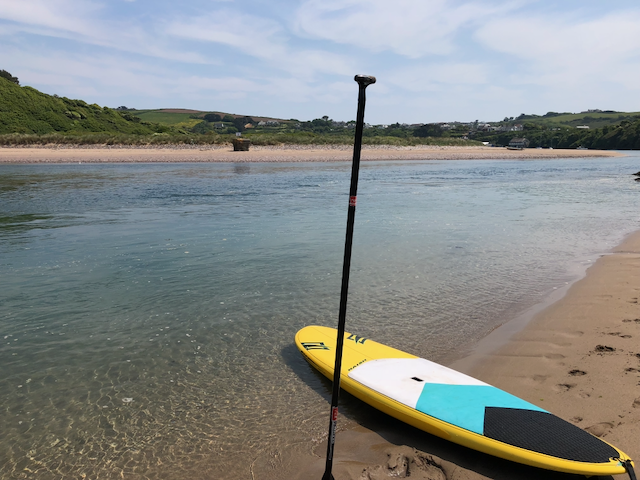
For the SUP crew, the estuary behind Bantham has been flat as a millpond on the incoming tide. A paddle up towards Aveton Gifford on a spring flood is one of the best things you can do on a calm March morning β wading birds, total silence, and barely another soul about. Just watch the ebb if you go up that far; the current through the narrows can properly shift.
The long-range models are showing another pulse of swell arriving around midweek, possibly bigger than this one, with the wind looking favourable through Thursday and Friday. If that comes off, it could be the best surf week of the year so far. Spring at Bantham is all about these windows β the swells are still powerful from winter but the winds start to ease off and go offshore more often. This is the season. Get in.
Swell, wind, tides and a plain-English Worth the Drive verdict β updated hourly.
See live surf forecast β
After a slightly shorter winter break than usual, Batson Boat Park was a hive of activity as 19 boats rigged up and launched into a blissfully empty harbour for the Salcombe Yacht Club 2026 Commissioning Race. The season is officially underway β and it feels like a good one coming.
There's something about the first sail of the year at Salcombe that never gets old. The smell of fresh antifoul, the clatter of halyards on masts that have been silent all winter, the slight nervousness of whether you remembered to fit the bungs. Nineteen boats made it out for the SYC Commissioning Race this year, which is a decent turnout for what was a crisp but perfectly sailable mid-March day on the estuary.
The fleet launched into an empty harbour β no visitors' yachts clogging up the fairway yet, no RIBs buzzing around β just the racing fleet and the quiet satisfaction of being back on the water. Light NW winds made for a tactical race through the estuary channels, rewarding those who know the tidal flow around Snapes Point and the Bag. Proper Salcombe sailing.
If you've spent any time around Salcombe sailing, you'll know the yawl fleet is the heart and soul of racing on the estuary. These gorgeous traditional boats β designed specifically for the quirks of the Kingsbridge Estuary β have been growing in numbers year on year, and 2026 looks like it'll be the strongest season yet. Several new boats have been built over the winter, and the existing fleet has been getting serious attention in the boat park.
The Solo fleet is also building on a strong 2025 season. There's real depth in the fleet now, with competitive racing week in, week out through the summer series. If you've been thinking about getting into dinghy racing at Salcombe, the Solo class is a brilliant way in β one-design, manageable single-handed, and a proper workout on the estuary's shifty winds and tidal currents.
The 2026 Salcombe sailing calendar is stacked. The big dates to mark down are Merlin Rocket Week from 5β10 July, the Salcombe Town Regatta from 25 July through to 1 August, and the SYC Regatta from 2β7 August. Regatta week in particular is unmissable β the racing is fiercely competitive, the social side is legendary, and the whole town comes alive. If you've never experienced Salcombe in regatta week, put it on the list this year.
Before the big events, there's the steady rhythm of Wednesday evening and weekend racing through the spring and summer series. These are the bread and butter of Salcombe sailing β short, tactical races on the estuary with the town as a backdrop and a pint at the yacht club afterwards. It doesn't get much better.
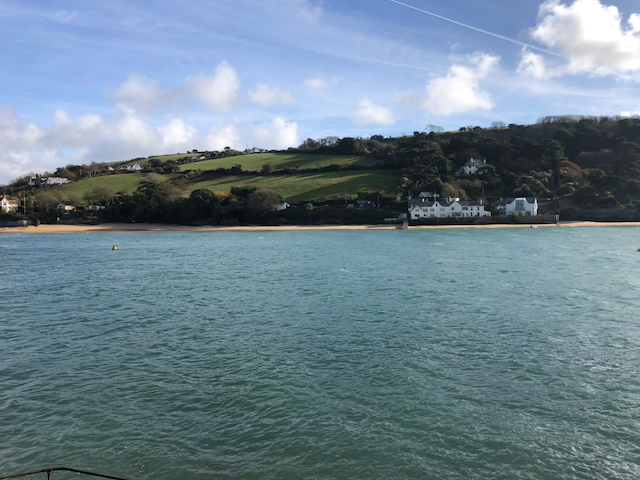
Mid-March on the Kingsbridge Estuary is a quiet, beautiful time. The water temperature is around 11Β°C and still rising slowly. Spring tides are running hard through the narrows β if you're heading up to Kingsbridge or Frogmore Creek, give yourself plenty of water and respect the ebb. The bar has been behaving itself in the recent settled spell, but we're still early season β always check conditions on VHF Ch 14 before crossing.
The Salcombe Maritime Museum reopens on 30 March with a cracking exhibition on the Spanish Armada and the Siege of Fort Charles β worth a visit on a lay day or if the wind drops. And if you're after something different, there's SUP yoga running in Kingsbridge through the spring, which is about as South Devon as it gets.
Wind, tides, bar state and a plain-English verdict β updated every 20 minutes.
See live sailing forecast β
March is the shoulder season on the South Devon coast. The summer crowds are months away, the mackerel haven't arrived yet, and most people assume there's nothing doing. They're wrong. If you know where to fish and what to target, March can be quietly brilliant β especially on lures.
Sea temperatures around the South Hams are sitting at about 10β12Β°C β still cold, but warming slowly as the days lengthen. This is the tail end of the winter pattern: the cod and whiting have largely moved off, the mackerel and garfish won't show until late April at the earliest, and the summer bass haven't switched on properly yet. But that doesn't mean the fishing is dead.
Pollock are reliable year-round residents on the rocky marks between Bolt Tail and Prawle Point, and they're feeding well right now. Wrasse are waking up in the kelp beds around Hope Cove and Thurlestone. And for the lure anglers β bass are catchable through the winter and early spring on the right marks, particularly around the Bantham rivermouth and the rocky ledges east of Salcombe.
The Bantham rivermouth is always worth a look when the tide is pushing. Bass sit in the current waiting for food to wash past, and a well-presented soft plastic or paddle tail lure on a jig head can pick them up on the flood. Fish the channel edges rather than the main flow β that's where the fish hold. Early morning and late afternoon sessions are best, ideally around two hours either side of low water as the tide starts to fill.
Hope Cove is a cracking pollock and wrasse mark in March. The rocky ground on the south side of the outer cove holds good numbers of pollock to 3lb+, and they'll smash a Savage Gear Sandeel or similar on a slow retrieve through the mid-water. Wrasse are in the kelp beds closer to shore β drop a lure tight to the weed and be ready for a proper scrap. They're not big fish but wrasse on light tackle are genuinely good fun.
East Portlemouth, across the estuary from Salcombe, has some excellent rocky ledges that produce bass and pollock. The ferry isn't running yet this early in the season, so you'll need to walk down from the car park β but the lack of access keeps the pressure off these marks and the fishing can be surprisingly good.
You don't need heavy gear for March shore fishing in South Devon. A 7β9ft lure rod rated 10β40g, a 3000-size spinning reel loaded with 15lb braid, and a small selection of soft plastics and metals is all you need. Paddle tail lures in natural colours β white, silver, sand eel green β are the most versatile. A few surface lures are worth carrying too, in case you spot bass feeding on the surface in the estuaries.
Dress warm. March mornings on the South Devon coast can be properly cold, especially on exposed rock marks with a NE wind blowing. Layering is key, and a decent pair of rock boots with good grip are essential on the ledges around Prawle and Bolt Tail.
From here it only gets better. April brings the first garfish β spectacular on ultralight tackle β and by May the mackerel arrive in proper numbers. The bass fishing improves dramatically through April and into May as the water warms and the fish start feeding more aggressively in the estuaries and along the beaches. By June, the Bantham rivermouth and Bigbury Bay are alive with baitfish and everything that follows them.
But don't wait for summer. March has its own charm β empty beaches, no competition for marks, and the satisfaction of catching fish when everyone else assumes there's nothing out there. Get out there while the coast is still yours.
Tide times, sea temperature, wind and a species forecast β updated daily.
See live fishing forecast β
A solid NW groundswell has been working Bantham and Bigbury all week. We break down what's been happening, what this weekend looks like, and whether spring is going to bring anything worth getting excited about.
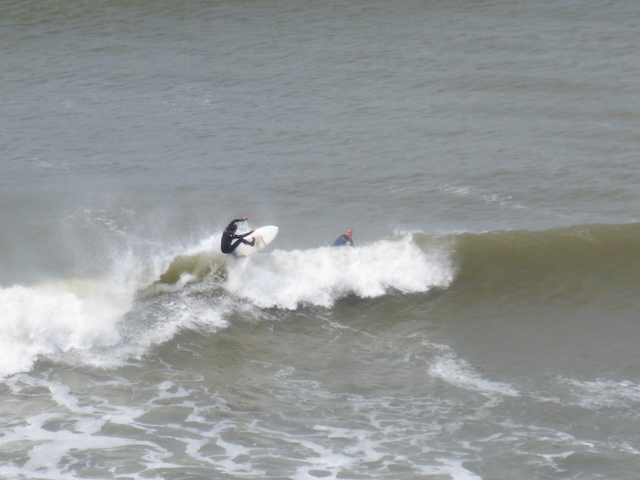
The North Atlantic has been busy. A series of low-pressure systems tracking NE across the Atlantic through late February delivered consistent NW groundswell to the South Devon coast, with Bantham seeing 3β4ft sets on the better days. The rivermouth sandbar has been producing some genuinely good lefts on mid-to-low tide with a light SW breeze β classic Bantham when it works.
Bigbury has been a bit more inconsistent. The bay needs the swell to wrap around Burgh Island, which means it works best on a solid W or WNW direction. The NW angle this week has kept it a bit lumpy on the north end, though the south corner near the island has had some cleaner moments at low tide.
The swell is expected to hold through Saturday before easing Sunday as a high builds in from the west. Saturday morning looks like the standout session β the groundswell should still be 3ft+ with a light offshore NE breeze forecast before 10am. Low tide at Bantham is around 7:30am Saturday, so the rivermouth bar should be firing for an early session.
By Sunday the swell has backed off to 1β2ft and the wind has shifted SW β still surfable on the better banks but you'll need to pick your spot. Bigbury's protected corner near Burgh Island might actually be the better call Sunday afternoon if it stays light.
Bantham is famously tidal β it's not a beach that works at all states. The rivermouth bar, which produces the best lefts, needs low to mid-incoming tide to show properly. At high tide the break closes out and loses its shape entirely. For Saturday, aim for the 7:00β10:30am window. For Sunday, the afternoon low around 1:30pm gives you another shot, though the swell will be smaller by then.
Always check the live tide times on our surf conditions page before heading down β Bantham's tidal range is over 4 metres at springs so timing really matters.
March and April are genuinely good months for South Devon surf. The big Atlantic fetch that drives winter swells is still active but the winds are starting to become more settled. You get fewer blown-out days and more of those clean, lined-up swells that make Bantham such a special wave. The water temperature is still around 10β11Β°C so a 4/3mm wetsuit is still essential, but spring surfers often have the beach to themselves.
Keep an eye on the extended forecast β any low-pressure systems tracking NE between Iceland and Scotland through March will send groundswell straight at the South Devon coast. NW groundswell at 12+ seconds is the magic formula for Bantham.
Real-time swell, wind, tide times and a verdict β updated every 20 minutes.
See live surf forecast β
Spring tides this weekend make for some interesting bar timing. Saturday morning is straightforward, but Sunday evening is one to watch. Here's the full picture for skippers planning a Salcombe visit this weekend.
We're building towards springs this weekend with the tidal range increasing through Saturday and Sunday. High water at Salcombe sits around 4.8β5.0m at springs (Plymouth datum), so expect a lively ebb and flood on the estuary. The bar gets progressively better to cross as you approach and leave high water β ideally within 2 hours either side of HW for comfortable clearance.
Always verify against the live tide predictions on our sailing page before departure β our harmonic predictor is calibrated specifically for Salcombe and is typically accurate to within 10β15 minutes.
Saturday morning looks clean for bar crossings. High water around 09:45 means you can depart from Salcombe from around 07:30 outbound with good water, or arrive inbound up until 11:30 without any anxiety. The forecast shows a light NW breeze Saturday morning β the bar behaves well in northerly winds since there's no onshore swell pushing over it.
Sunday evening is a different story. If you're planning to return to Salcombe on Sunday afternoon, be aware that the combination of a residual SW swell (still 1.5β2ft at 10 seconds) and the ebbing tide on the bar through the 14:00β18:00 window can create confused, breaking water. Either time your arrival for the 19:30β22:30 window around high water, or if you must cross mid-afternoon, stay on the western channel side and don't rush it.
With spring tides and some residual swell, Bag End (the main pool inside the bar) is perfectly sheltered and the obvious choice for overnight. It'll be busy Saturday night β Salcombe is always popular even in early spring β so get your hook down early if you want a good spot away from the fairway.
East Portlemouth on the east bank is excellent in SW winds and gives you a lovely dinghy landing for the evening. If you want more solitude, push further up the estuary to Frogmore Creek β well out of the tidal chop and genuinely peaceful. Carry at least 5:1 scope at springs β the range is significant and the ebb runs hard through the narrows.
Saturday is looking like a pleasant sailing day β SW 10β14 knots building through the afternoon, ideal for a beam reach across Bigbury Bay or a gentle pootle up to Kingsbridge. Sunday is more of a mixed bag with the breeze backing to SE and freshening to 18β22 knots by afternoon. Estuary sailing on Sunday will be perfectly fine but an offshore passage is one to think carefully about with that SE developing.
Wind, tides, bar state and a plain-English verdict β updated every 20 minutes.
See live sailing forecast β
Bigbury Bay is one of South Devon's most versatile outdoor playgrounds. A wide, sweeping bay with a sandy rivermouth break, a tidal island, flat estuary water and easy access β here's everything a surfer, sailor, SUP paddler or angler needs to know.
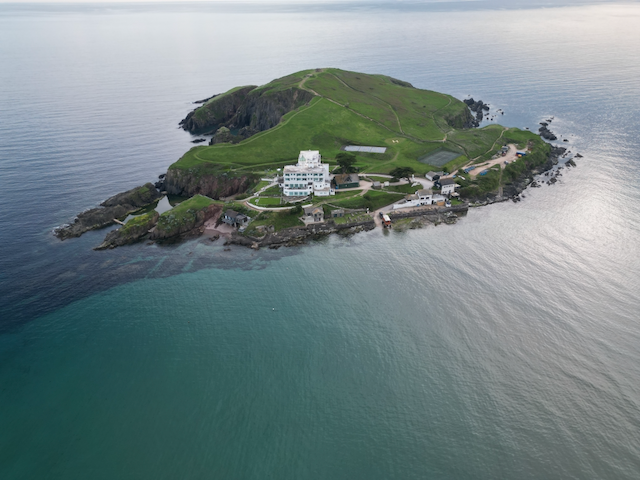
Bigbury Bay sits on the south Devon coast between Bolt Tail to the east and the River Erme to the west. The bay faces broadly SW, which means it catches the Atlantic swell that Cornwall famously hoards but lets enough through to keep South Devon surfable. The two main beaches β Bantham on the western side and Bigbury-on-Sea on the eastern side β sit either end of the bay with Burgh Island standing guard in the middle.
The bay is around 4 miles wide and remarkably unspoilt. There's no pier, no promenade, no arcades. Just sand, sea, a pub or two and one of the most photogenic tidal islands in England.
Bantham is the headline act. Situated at the mouth of the River Avon, the rivermouth sandbar creates a consistent left-hander that breaks from 2ft up to double overhead in the bigger swells. It's one of the best beach breaks in South Devon β long walls, rideable for all levels on the right day, and genuinely excellent when a NW groundswell hits on a low incoming tide.
Bigbury beach itself is broader and more exposed. It picks up more swell than Bantham but can be messier β it works best on a solid W or WNW swell direction. The south corner near Burgh Island gets a bit of protection from the island and can produce cleaner waves when the main peak is blown out. Beginners and intermediates tend to prefer Bigbury when the swell is under 3ft; Bantham rewards the surfer who knows how to read the bar.
NW swell, 3ft+ at 10β14 seconds, low to mid incoming tide, light SW or offshore NE wind. When all of those line up, Bantham is extraordinary. Check the live Bantham surf forecast before you make the drive.
W or WNW swell, any size from 2ft upward, mid tide, light winds. The south corner near the island works in a range of conditions and is the go-to when everywhere else is marginal.
The River Avon estuary behind Bantham beach is one of the finest SUP spots in South Devon. Sheltered from most wind directions, with flat water, stunning scenery and a tidal current that creates interesting paddling on the ebb and flood, it's a very different experience from the ocean beaches.
The estuary is best paddled on a flood or slack tide β paddling against a spring ebb up the River Avon is hard work. High water reveals beautiful hidden creeks and channels that are completely inaccessible at low tide. Give yourself 2β3 hours around high water for the best estuary session.
For wave SUP, when the wind is light and the swell is running at 2β3ft, Bantham produces some rideable runners on a longboard SUP. Keep well clear of the surfer peak β there's usually a mellow section further along the beach that's less crowded and more SUP-friendly.
Bigbury Bay itself is open anchorage β good in settled conditions but exposed to any SW through to SE. In summer, many boats bound for or departing Salcombe stop here for lunch on a neap flood. The holding is good sand in the southern part of the bay but depths vary β sound carefully before anchoring and don't stay if the forecast turns SW.
For powerboats, Bigbury Bay is a fantastic day trip from Salcombe. The passage from Salcombe Bar around Bolt Tail into the bay is beautiful in calm conditions β rocky headlands, dramatic cliffs and the Burgh Island hotel looking like something from an Agatha Christie novel (it is, as it happens β she wrote several of her novels there).
The River Avon dries significantly at low water but a shoal-draft boat can get up on the flood and anchor or pick up a buoy behind Bantham. It's a lovely stop and the Sloop Inn at Bantham is very much worth the dinghy trip ashore.
The bay is productive for bass, particularly around the Bantham rivermouth where the tidal flow concentrates baitfish on the ebb. Mackerel arrive in numbers from May onwards and can be caught from the beaches or on a short boat trip outside the bay. The rocks around Burgh Island hold wrasse year-round and there's good flatfish fishing on the sandy bay bottom.
Check the live fishing forecast for conditions, tides and species advice before you head down.
Bantham has a National Trust car park above the beach (pay and display, busy in summer β arrive before 9am). Bigbury-on-Sea has a large cliff-top car park with views across to Burgh Island. There's a seasonal sea tractor service to Burgh Island when the tide is in, or walk across the sand at low water.
Neither beach has a cash point, and mobile signal on the beach is patchy. Download the tide times before you leave.
Surf, SUP, sailing, tides and fishing β all updated every 20 minutes.
See today's conditions β